What Are Multimodal Models? A Creative Professional's Guide
Learn how multimodal AI models process text, images, audio & video together. A creative professional's guide to multimodal architecture, examples & brand-consistent production.
Compare AI models on your own brief.
Try four AI models in one place and choose the image that fits your idea.
Free credits to start · No credit card
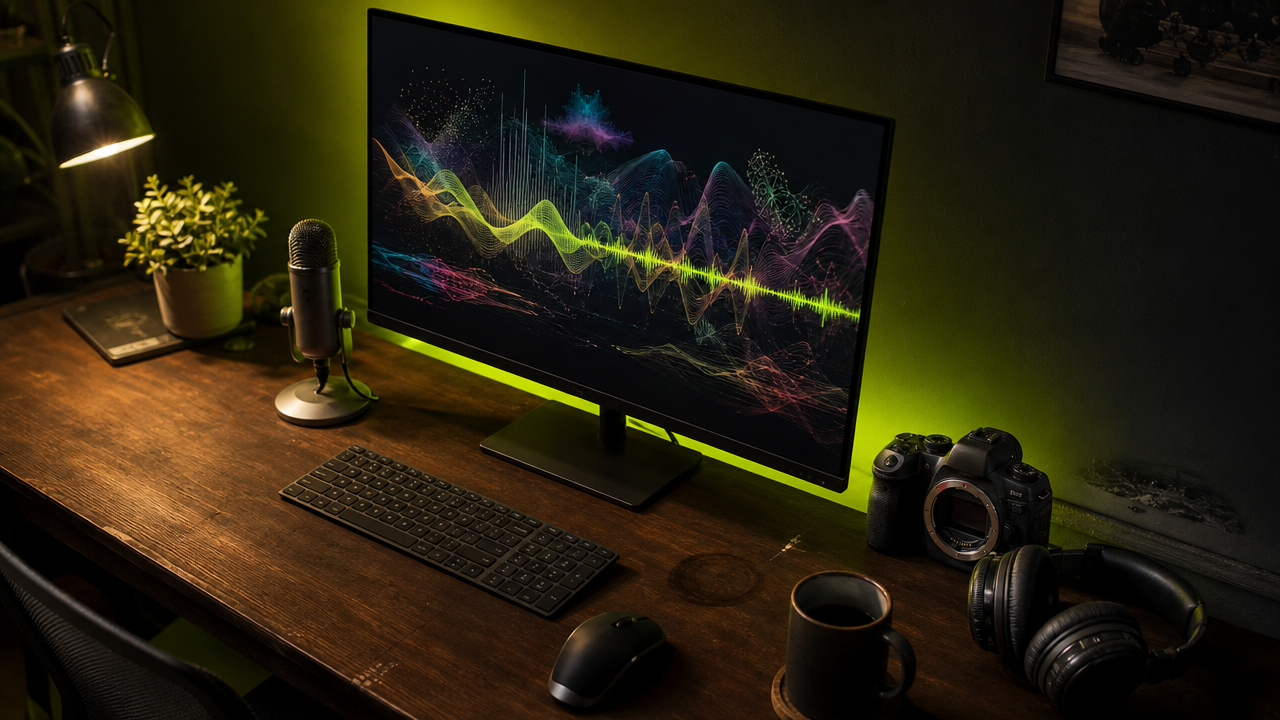
Multimodal models are AI systems that process and combine multiple data types—text, images, audio, and video—to produce richer, more context-aware outputs than single-input models ever could. For creative professionals exploring AvocAIdo's AI-powered creative tools, they represent a shift from "typing prompts" to art-directing across media. According to IBM's overview of multimodal AI, these systems integrate information from different modalities to achieve a more holistic understanding of context. In this guide, you will learn how multimodal models work, the types that matter for your workflow, real-world applications, and how to evaluate them for brand-consistent creative production.
TL;DR
- Multimodal models handle multiple data types (text, images, audio, video) simultaneously, unlike traditional single-input AI.
- They work through a three-stage pipeline: encoding each modality, fusing them into a shared representation, then generating output.
- Prominent examples include GPT-4o, Google Gemini, and specialized creative platforms that combine reference images with text prompts.
- The multimodal AI market is projected to surpass $20.5 billion by 2032.
- For creatives, multimodality means you can art-direct with mood boards, voice notes, and text descriptions—not just typed prompts.
- Combining multiple inputs actually reduces AI hallucinations by anchoring the model in richer context.
- Curated multi-model platforms apply multimodal principles specifically for brand-consistent image generation.
Checklist
- ✅ Understand the difference between unimodal and multimodal AI models
- ✅ Learn the three-stage pipeline: encode, fuse, generate
- ✅ Identify which modalities matter for your creative workflow (text, image, audio, video)
- ✅ Review real multimodal AI examples relevant to creative production
- ✅ Evaluate whether you need a general multimodal LLM or a specialized creative platform
- ✅ Test multimodal inputs (reference photos + text descriptions) for brand consistency
- ✅ Assess how style references function as a visual "modality" alongside text prompts
- ✅ Consider parallel multi-model generation to compare outputs from different AI architectures
- ✅ Verify commercial licensing on any AI-generated outputs before production use
- ✅ Stay current—model lineups and capabilities evolve rapidly in 2026
Made with AvocAIdo
Your product. Your style. Four possibilities.
See how four AI models interpret the same product and style reference. Then compare them with your own brief.


Saved examples · 4 AI models




Free credits to start · No credit card
What Is a Multimodal Model?
A multimodal model is a machine learning system capable of processing information from different modalities—including images, videos, text, and audio—within a single architecture. Unlike traditional AI models designed to handle one data type at a time, multimodal models integrate several input types to produce outputs that reflect a holistic understanding of context.
As Google Cloud defines it: "A multimodal model is a ML model that is capable of processing information from different modalities, including images, videos, and text." McKinsey's explainer on multimodal AI adds that these systems "mirror the brain's ability to combine sensory inputs for a nuanced, holistic understanding of the world."
For creative professionals, this distinction matters practically. A unimodal text-to-image generator only reads your typed prompt. A multimodal system can simultaneously analyze your reference photos, read your brief, and potentially interpret audio direction—producing results anchored in multiple layers of creative intent.
The multimodal AI market is projected to surpass $20.5 billion by 2032, according to TileDB's industry analysis, signaling that this technology is no longer experimental but a mainstream production tool.
How Do Multimodal Models Work?
The architecture behind multimodal AI follows a three-stage pipeline that creative professionals can think of as analogous to a production team with specialized departments. For a more technical perspective, see Sebastian Raschka's deep dive into multimodal LLMs.
Stage 1: Encoding
Each data type enters through its own specialized encoder. Text goes through a language encoder, images through a vision encoder, audio through an acoustic encoder. Think of this as each "department" (script, cinematography, sound design) preparing its own brief.
Stage 2: Fusion
The encoded representations merge into a shared space through data fusion techniques. IBM explains that "multimodal AI uses data fusion techniques to integrate different modalities." This is where the magic happens—the model learns relationships between what it sees, reads, and hears. A reference photo's warm lighting connects to your text description of "golden hour elegance."
Stage 3: Generation
From the fused representation, the model generates output—whether that is an image, text, video, or a combination. The richer the fused context, the more aligned the output is with your creative intent.
McKinsey notes a counterintuitive benefit: combining multiple content types actually results in "fewer hallucinations" because the model is anchored in richer signals rather than interpreting ambiguous text alone.
What Are the Types of AI Models Creative Professionals Should Know?
Understanding where multimodal models sit in the broader AI landscape helps you choose the right tool for each task.
Unimodal Models
These process a single data type. A text-only language model or an image classifier are unimodal. As Micron Technology explains: "Most AI models are designed to process a single type of data… In contrast, multimodal models can handle a variety of data types."
Multimodal Models (Unified)
Unified multimodal models "integrate multiple existing unimodal models into a single, cohesive AI architecture" to handle multiple data kinds simultaneously. GPT-4o and Google Gemini are prominent examples of this approach.
Multimodal Models (Singular/Specialized)
These focus on specific modality combinations—such as vision-language models that pair images with text, or audio-visual models for video understanding. Many creative tools fall into this category.
Multimodal Large Language Models (MLLMs)
Microsoft Azure's guide to multimodal large language models defines these as "AI systems that integrate text, images, and audio, creating a more holistic understanding of data." They extend traditional LLMs with perception capabilities across multiple senses.
| Model Type | Inputs | Best For |
|---|---|---|
| Unimodal (text) | Text only | Copywriting, code generation |
| Unimodal (image) | Image only | Classification, object detection |
| Multimodal unified | Text + image + audio + video | General creative direction, research |
| Multimodal specialized | 2–3 specific modalities | Brand-consistent image generation, video editing |
| Multimodal LLM | Text + image + audio | Conversational AI with visual understanding |
What Are Real Multimodal AI Examples for Creative Work?
Multimodal AI applications span far beyond tech demos. Here are concrete examples relevant to creative professionals in 2026:
Cross-Modal Generation
According to Google Cloud's multimodal AI use cases, Gemini can "receive a photo of a plate of cookies and generate a written recipe as a response and vice versa." For creatives, this principle extends to generating images from text descriptions anchored by visual references, or producing video from storyboards combined with audio direction.
Brand-Consistent Image Production
Platforms that accept reference photos (visual modality) alongside text descriptions (language modality) use multimodal principles to maintain visual consistency. The reference images encode style—color palette, lighting, mood—while text encodes subject and composition intent.
Virtual Assistants and Communication
Virtual assistants, medical diagnostics, human-robot interactions in robotics, and interactive education are all examples of real-world applications of multimodal AI. Zoom's AI Companion, for instance, combines audio and video to detect participant engagement during meetings.
Scientific and Spatial Visualization
Modern multimodal models now combine multiple data modalities like text, images, video, audio, and high-dimensional scientific data like genomics and single-cell profiles. For creatives in healthcare, architecture, or climate visualization, this means art-directing visual representations of complex data.
Production-Scale Creative Operations
Creative teams now use multimodal workflows to generate hundreds of on-brand images monthly. By combining style references with plain-language descriptions, production teams achieve consistency across campaigns without manual art direction on every individual asset.
Why Should Creative Professionals Care About Multimodality?
1. From Prompting to Art Directing
Multimodality means your inputs are no longer limited to text. Mood boards, reference photos, brand guidelines, and even audio descriptions become valid creative inputs. This mirrors how art directors actually work—through visual references and verbal direction, not keyword strings.
2. Reduced Hallucinations and Better Alignment
When a model receives both a visual reference and a text description, it has two anchoring signals instead of one. McKinsey confirms that "by combining the strengths of different types of content… multimodal gen AI models… result in fewer hallucinations." For production work, this translates to fewer unusable outputs and faster iteration.
3. Consistency Across Subjects
A multimodal approach to style—where visual references define the aesthetic "rules" and text defines the subject—enables generating diverse content that remains visually cohesive. One brand style, any subject, always consistent.
4. Efficiency at Scale
Multimodal AI is no longer an experiment. It is a way of interacting with machines, content, and the world. For creative teams producing 500+ assets monthly, multimodal workflows replace repetitive manual art direction with systematic, reference-driven generation.
How to Evaluate Multimodal Tools for Creative Production
Not all multimodal capabilities serve creative professionals equally. Here is a step-by-step approach to choosing the right tool:
- Identify your primary modalities. Most creative professionals need text + image at minimum. Consider whether audio or video inputs matter for your workflow.
- Assess reference-based input support. Can the tool accept visual references (mood boards, brand photos) as a modality alongside text? This is critical for brand consistency.
- Check output quality across multiple models. Different AI architectures interpret the same multimodal input differently. Platforms offering parallel generation across multiple models let you compare interpretations and select the best result.
- Verify style persistence. A truly multimodal creative tool should maintain visual style across different subjects—not just replicate one image.
- Evaluate the fusion mechanism. How does the tool weight your visual references versus your text description? Can you adjust importance levels for different style attributes (color, lighting, mood)?
- Confirm commercial licensing. Production work requires clear rights. Verify that outputs generated from your multimodal inputs are commercially licensable.
- Test at production volume. A tool that works for 5 images may not scale to 500. Evaluate throughput, credit systems and pricing plans, and whether quality remains consistent at volume.
Multimodal Models vs. Generative AI: What Is the Difference?
A common point of confusion: multimodality and generative capability are distinct concepts that often overlap but are not synonymous.
Multimodal refers to the types of data a model can process—its inputs and representations. A model is multimodal if it handles text, images, audio, or video in combination.
Generative refers to the model's output capability—whether it creates new content (images, text, music) rather than simply classifying or analyzing existing content.
Micron Technology makes this distinction explicit: a model can be generative without being multimodal (a text-only story generator), and multimodal without being generative (a system that analyzes video and audio together to classify emotions but produces no new content).
The most powerful creative tools in 2026 are both multimodal and generative—they accept multiple input types and produce new creative assets from that combined understanding. This combination is what enables workflows where reference photos plus text descriptions yield brand-consistent imagery at production scale.
What Does the Future Hold for Multimodal AI in Creative Work?
Three trends are reshaping how creative professionals will interact with multimodal systems:
Multimodal Agents
Beyond single-generation tasks, multimodal AI agents orchestrate entire workflows—combining storyboards, voiceovers, scene staging, and editing into coordinated production pipelines. These agents gather input from text, images, audio, video, and sensors and combine them into a single comprehensive representation for decision-making.
Curated Model Ecosystems
Rather than offering 30+ models and overwhelming users with choice, the trend moves toward curated selections of top-performing models that run in parallel. This approach—where a small number of best-in-class models compete on each generation—reflects a UX insight: creative professionals benefit more from curated options than raw variety.
Expanded Modalities
Multimodal models now integrate high-dimensional scientific data like genomics and spatial data alongside traditional media types. For creative professionals in specialized industries, this means art-directing visualizations of complex data using the same multimodal principles that govern brand photography.
AvocAIdo Tip
AvocAIdo applies multimodal principles directly to creative production: you upload reference photos (visual modality) and describe your desired image in plain language (text modality), then the platform's Brand Style Intelligence fuses both inputs to generate consistent results across 4 AI models in parallel. This means you art-direct with mood boards and descriptions rather than engineering prompts—exactly how multimodal AI is designed to work. The ArtDirector AI converts your plain language into model-optimized prompts at no additional credit cost. Start with 2,000 free credits (no credit card required) to test how multimodal reference-based generation compares to text-only prompting.
FAQ
What is the simplest definition of a multimodal model?
A multimodal model is an AI system that processes and combines multiple data types—such as text, images, audio, and video—within a single architecture to produce context-aware outputs. Unlike traditional models limited to one input type, multimodal systems integrate information across modalities, similar to how humans combine sight, hearing, and language to understand the world.
How are multimodal models different from regular AI image generators?
Regular AI image generators typically accept only text prompts (one modality). Multimodal systems can accept text, reference images, audio, and other data types simultaneously. This means you can provide visual references alongside written descriptions, giving the AI richer context and producing outputs more aligned with your creative intent—with fewer hallucinations according to McKinsey's research.
What are the most well-known multimodal AI examples in 2026?
Prominent multimodal models in 2026 include OpenAI's GPT-4o, Google's Gemini, and Anthropic's Claude. These systems process text, images, and audio within unified architectures. Specialized creative platforms also leverage multimodal principles by combining reference photos with text descriptions to generate brand-consistent imagery across multiple AI models simultaneously.
Do multimodal models reduce AI hallucinations?
Yes, according to McKinsey's analysis. By combining multiple content types from different sources, multimodal generative AI models understand context better and produce fewer hallucinations than text-only systems. The additional modalities (like reference images) act as anchoring signals that constrain the model's output to align with verifiable visual information.
How large is the multimodal AI market?
The multimodal AI market is projected to surpass $20.5 billion by 2032, according to TileDB's industry analysis. This growth reflects rapid adoption across sectors including creative production, healthcare, education, and enterprise operations. The last two years (2024–2026) have seen particularly accelerated development in multimodal capabilities.
Can creative professionals use multimodal AI without technical skills?
Yes. Modern multimodal platforms are designed for non-technical users. Instead of engineering complex prompts, creative professionals can upload reference photos, describe desired outcomes in plain language, and let the system's fusion mechanisms handle the technical translation. Tools with built-in prompt assistance further lower the barrier by converting casual descriptions into model-optimized instructions.
What modalities matter most for brand-consistent image generation?
For brand-consistent image generation, the two critical modalities are visual references (photos defining your brand's color palette, lighting, mood, and composition) and text descriptions (specifying subject matter, setting, and creative direction). The combination of these two modalities allows AI systems to separate "style" from "subject," maintaining visual consistency across diverse content.
Should I choose a general multimodal model or a specialized creative platform?
It depends on your workflow. General multimodal models (GPT-4o, Gemini) excel at broad reasoning across text, images, and audio. Specialized creative platforms focus on production-quality image generation with features like style locking, parallel multi-model comparison, and brand consistency tools. For high-volume creative production, specialized platforms typically offer more relevant features and streamlined workflows.
Ready to put multimodal AI into practice? Explore more AI guides for creative professionals to deepen your understanding and sharpen your workflow.
Find the right model for your next image.
Try four AI models in one place and choose the image that fits your idea.
Free credits to start · No credit card