Best Free AI Photo Editor Online: No Download, No Sign-Up Required
Compare the best free AI photo editors online that require no download or sign-up. Learn which tools offer unlimited edits, prompt-based editing, and brand-safe results.
Turn this inspiration into your own images.
Bring a brief or a reference image. Explore the possibilities with four AI models.
Free credits to start · No credit card
A free AI photo editor online is a browser-based tool that uses artificial intelligence to enhance, retouch, or transform images — without requiring software installation. These editors save marketing teams and social media managers significant time by automating tasks like background removal, colour correction, and style transfer. Tools like AvocAIdo's AI-powered photo editing platform represent the professional end of this spectrum, while simpler options handle quick one-off edits. In this guide, you will learn which tools genuinely require no sign-up, which offer professional-grade features, and how to choose the right editor for brand-safe, production-ready results. For a broader independent perspective, see this comprehensive comparison of 30+ AI image editors.
TL;DR
- Browser-based AI photo editors let you edit images instantly without downloading software.
- Several tools — including IObit AI Photo Editor and ImgUpscaler — explicitly require no sign-up to start editing.
- "Unlimited free edits" claims vary; always check for hidden credit caps or watermarks.
- Professional users benefit from tools that go beyond one-click fixes to offer prompt-based editing, style locking, and multi-model comparison.
- Most major platforms (Adobe Express, Canva, Pixlr) offer strong free tiers but typically require account creation.
- Three-step workflows (upload → describe edits → download) are now the industry standard across most AI editors.
- For brand teams, the key differentiator is visual consistency — not just speed.
Checklist: Choosing the Right Free AI Photo Editor
- ✅ Confirm the tool works entirely in the browser — no desktop download required
- ✅ Check whether a sign-up or account is mandatory before editing
- ✅ Verify whether exported images include watermarks on the free tier
- ✅ Test the tool with your actual brand imagery, not just sample photos
- ✅ Look for prompt-based editing if you need precise, describable changes
- ✅ Ensure the tool grants a commercial licence on outputs you plan to publish
- ✅ Evaluate whether the free tier has daily or monthly usage caps
- ✅ Compare at least 2–3 tools side by side before committing to a workflow
- ✅ Prioritise tools that support common formats (JPG, PNG, WebP) for upload and export
- ✅ For ongoing brand work, test whether the tool can maintain visual consistency across multiple edits
Made with AvocAIdo
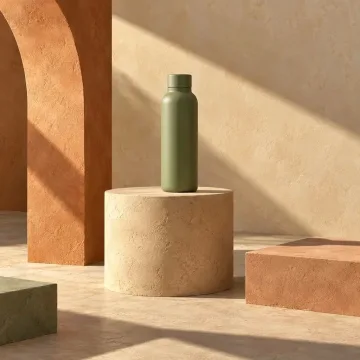
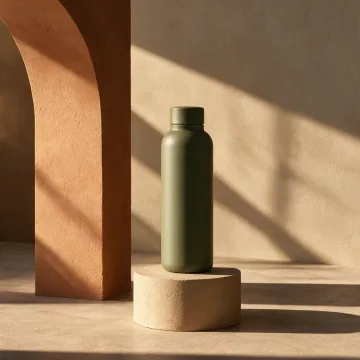
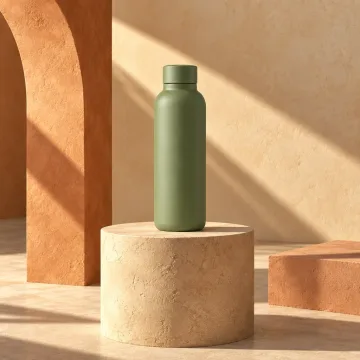
Your product. Your style. Four possibilities.
Turn a product photo and a style reference into studio-style images. Compare AI models in one place.

Saved examples · 4 AI models
Free credits to start · No credit card
What Is an AI Photo Editor Online and Why Does It Matter?
An AI photo editor online is a web application that applies machine-learning models to image editing tasks — background removal, object replacement, quality enhancement, style transfer, and generative edits — directly in your browser. Technologies like DeepAI's machine learning image editor demonstrate how these models power features such as background removal and style transfer. Unlike traditional desktop software such as Photoshop, these tools require no installation, no local processing power, and often no account creation.
For marketing teams and social media managers, this matters because turnaround time is everything. A 2025 review of free AI photo editors highlighted "no-signup access" as a major advantage, reflecting growing user fatigue with account walls and onboarding friction. The practical benefit is clear: upload an image, describe the change you want, and download the result — often in under 60 seconds.
The category has matured rapidly. Tools now range from simple one-click enhancers to advanced prompt-based editors that let you describe changes in natural language. Understanding where each tool sits on that spectrum is essential to picking the right one for your workflow.
Which Free AI Photo Editors Truly Require No Sign-Up?
Not every tool that markets itself as "free" actually lets you start editing without creating an account. Below is a comparison of popular options and their actual access requirements.
| Tool | No Sign-Up Required? | Key AI Features | Watermark on Free Tier? |
|---|---|---|---|
| IObit AI Photo Editor | ✅ Yes | Prompt-based editing, enhancement | No |
| ImgUpscaler AI Editor | ✅ Yes | Unlimited edits, upscaling | No |
| VisualGPT | ✅ Yes | Background removal, style changes | No |
| Upsampler | ✅ Yes | Natural-language editing, colour changes | No |
| Pixlr | ⚠️ Free tier, account recommended | AI generation, filters, retouching | Limited |
| BeFunky | ⚠️ Free tier, account for saving | AI enhancement, batch editing | Some features gated |
| Canva | ❌ Account required | AI editing, templates, design suite | Some features gated |
| Adobe Express | ❌ Adobe ID required | Filters, text, animation, AI tools | Some features gated |
| Picsart | ❌ Account required | AI toolkit, effects, templates | Yes on some outputs |
IObit's no-signup AI photo editor positions itself as "100% free with zero signup required," offering prompt-based editing directly in the browser. ImgUpscaler's unlimited free editor similarly claims users can "edit unlimited photos online with no ads or watermarks" without registration. VisualGPT and Upsampler round out the no-account category with straightforward 3-step workflows: upload, describe your edit, download.
Larger platforms like Canva's free online photo editor and Adobe Express browser-based editor offer richer feature sets — templates, multi-page design, team collaboration — but require account creation, which adds friction for quick, one-off edits.
Key takeaway: If your priority is speed with zero friction, start with a genuinely no-signup tool. If you need a broader design ecosystem, accept the account requirement and choose a platform that matches your team's existing workflow.
How Do You Edit a Photo With an AI Editor in 3 Steps?
Most browser-based AI photo editors follow a nearly identical workflow. Here is the standard process, distilled from patterns across VisualGPT, BeFunky, ImgUpscaler, and similar tools:
- Upload your image. Drag and drop, click to browse, or paste (Ctrl+V) a JPG, PNG, or WebP file into the editor. No file conversion is typically needed.
- Describe or select your edits. Depending on the tool, you either type a natural-language instruction (e.g., "remove the background and add warm studio lighting") or choose from preset enhancement options like auto-enhance, background removal, or style filters.
- Preview and download. Review the AI-generated result. Most tools let you iterate — refine your prompt or adjust settings — before exporting the final image.
This 3-step pattern appears across at least 5 of the tools reviewed, making it the de facto standard for AI-powered online editing. The entire process typically takes under 60 seconds for simple edits and 2–3 minutes for more complex prompt-based transformations.
Pro tip for marketing teams: Write your edit instructions as if briefing a designer. Instead of "make it better," try "brighten the product, remove the shadow on the left, and shift the background to a neutral off-white." Specific prompts consistently produce better results across all prompt-based editors.
Are "Unlimited Free Edits" Claims Actually True?
The phrase "ai photo editor online free unlimited" appears frequently in tool marketing, but the reality is more nuanced.
Tools that explicitly claim unlimited free use:
- ImgUpscaler states users can "edit unlimited photos online with no ads or watermarks." This is their current marketing position, though practical rate limits may exist on the server side.
- IObit AI Photo Editor promotes "100% free" access with no stated usage cap.
Tools with practical limitations on free tiers:
- Canva's free tier includes AI editing features but reserves advanced capabilities (like background remover on some plans) for Canva Pro subscribers. You can explore Canva's AI photo editing features to see what is available at each tier.
- Adobe Express provides a generous free tier but gates certain AI-powered features behind an Adobe Creative Cloud subscription.
- Picsart and YouCam offer free access but may apply watermarks or limit exports on unpaid accounts.
What "unlimited" usually means in practice: You can perform a high volume of basic edits (cropping, filters, simple enhancements) without hitting a wall. However, advanced generative edits, high-resolution exports, or batch processing often trigger usage caps or upsell prompts — even on tools that advertise unlimited access.
Recommendation: Test your actual editing volume on the free tier for 1–2 weeks before committing. If you consistently hit limits, evaluate whether a paid plan on a more capable tool offers better value than working around restrictions on a free one.
What Separates a Basic AI Editor From a Professional-Grade Tool?
The gap between consumer-grade and professional-grade AI photo editors comes down to four capabilities:
1. Prompt Precision vs. One-Click Presets
Basic tools offer preset filters and one-click enhancements. Professional tools let you describe exactly what you want in natural language — and refine iteratively. Upsampler, for example, uses natural-language instructions to "modify existing images" by changing colours, objects, or styles, giving users granular control over outcomes.
2. Style Consistency Across Multiple Images
A one-off edit is easy. Maintaining a consistent visual identity across 20, 50, or 200 images for a campaign is where most free tools fall short. Professional workflows require the ability to lock a colour palette, lighting style, and mood — then apply it reliably to every new image.
3. Multi-Model Comparison
Most free AI editors run a single underlying model. You get one interpretation of your prompt. Professional platforms may run multiple models simultaneously, giving you several options to compare and select the strongest result — a workflow that mirrors how art directors evaluate creative options.
4. Commercial Licensing
Free tools vary widely on output licensing. Some grant full commercial rights; others restrict commercial use on free tiers. For any image destined for advertising, packaging, or client deliverables, verify the licence before publishing.
How Should Marketing Teams Choose the Right AI Photo Editor?
Selecting the best tool depends on your team's specific workflow. Here is a decision framework:
Choose a no-signup tool (IObit, ImgUpscaler, VisualGPT) if:
- You need quick, one-off edits for social media posts or internal presentations.
- Privacy is a concern and you prefer not to create accounts for ad-hoc tasks.
- Your editing needs are straightforward: background removal, enhancement, colour correction.
Choose a platform with an account (Canva, Adobe Express, Pixlr's free AI photo editor) if:
- You need an integrated design ecosystem with templates, fonts, and team collaboration.
- Your team already uses the platform for other design tasks.
- You can accept the sign-up friction in exchange for a broader feature set.
Choose a professional AI generation platform if:
- You produce high volumes of brand imagery that must look visually consistent.
- You want to compare outputs from multiple AI models before selecting the best result.
- Your workflow involves product photography, campaign imagery, or brand-level creative direction.
- You need a commercial licence on every output.
For teams producing more than approximately 50 images per month with strict brand guidelines, investing in a professional-tier tool typically pays for itself in time saved versus manually adjusting outputs from basic free editors.
AvocAIdo Tip
If your team needs more than basic photo editing — specifically, brand-consistent AI image generation — AvocAIdo offers a browser-based platform that runs 4 top AI models (Grok Imagine, Seedream 5 Lite, NanoBanana 2, GPT Image 2) in parallel on every generation. Upload reference photos to lock your brand's visual style, describe what you need in plain language, and compare 4 outputs side by side. The ArtDirector AI feature converts plain-language descriptions into professional prompts — no prompt engineering skills required. All outputs include a commercial licence, and you can start with 2,000 free credits — no credit card needed. Explore plans starting at €19/month and compare plans and credit costs.
For more AI editing tips and tutorials on our blog, explore our growing library of guides for marketing teams and creative professionals.
FAQ
Can I use an AI photo editor online without downloading any software?
Yes. All tools reviewed in this guide — including IObit AI Photo Editor, ImgUpscaler, VisualGPT, Canva, and Adobe Express — run entirely in a web browser. You need only an internet connection and a modern browser (Chrome, Firefox, Safari, or Edge). No desktop installation is required for any of them.
Which free AI photo editors genuinely require no sign-up?
IObit AI Photo Editor, ImgUpscaler's AI editor, VisualGPT, and Upsampler all explicitly allow editing without creating an account. IObit describes itself as "100% free with zero signup required." Larger platforms like Canva and Adobe Express offer strong free tiers but require account creation before you can edit or export.
Are AI-edited photos safe to use commercially?
It depends on the tool. Some platforms grant full commercial rights on free-tier outputs, while others restrict commercial use to paid plans. Always check the specific tool's terms of service before publishing AI-edited images in advertising, packaging, or client work. Tools like AvocAIdo include a commercial licence on all outputs across every plan.
How do I get the best results from a prompt-based AI photo editor?
Write specific, descriptive instructions rather than vague requests. For example, instead of "make it look better," try "brighten the product, remove the shadow on the left side, and change the background to a soft gradient from white to light grey." Including details about lighting, colour, and composition consistently produces higher-quality results across all prompt-based editors.
Is there really such a thing as unlimited free AI photo editing?
ImgUpscaler claims users can "edit unlimited photos online with no ads or watermarks," and IObit promotes unrestricted free access. However, "unlimited" may have practical server-side constraints. Larger platforms like Canva and Adobe Express gate advanced features behind paid subscriptions. Test your actual editing volume on any free tier for 1–2 weeks to confirm it meets your needs.
What file formats do online AI photo editors support?
Most browser-based AI editors accept JPG, PNG, and WebP uploads. Some also support TIFF or BMP, though these are less common. Exported files are typically available in JPG or PNG format. If you need specific dimensions or aspect ratios, check whether the tool offers resize or crop functionality before export.
Can AI photo editors maintain brand consistency across multiple images?
Basic free editors are designed for one-off edits and typically do not offer style-locking features. For brand teams needing consistent colour palettes, lighting, and mood across dozens or hundreds of images, professional-grade tools with style-reference or brand-lock capabilities are more appropriate. This is where platforms built for art direction — rather than casual editing — provide the most value.
How long does a typical AI photo edit take?
Simple edits like background removal or auto-enhancement typically complete in 5–15 seconds. More complex prompt-based edits — such as object replacement, style transfer, or multi-element changes — may take 15–45 seconds depending on the tool and image complexity. The entire upload-to-download workflow rarely exceeds 2–3 minutes.
Ready to create your own images?
Bring a brief or a reference image. Explore the possibilities with four AI models.
Free credits to start · No credit card